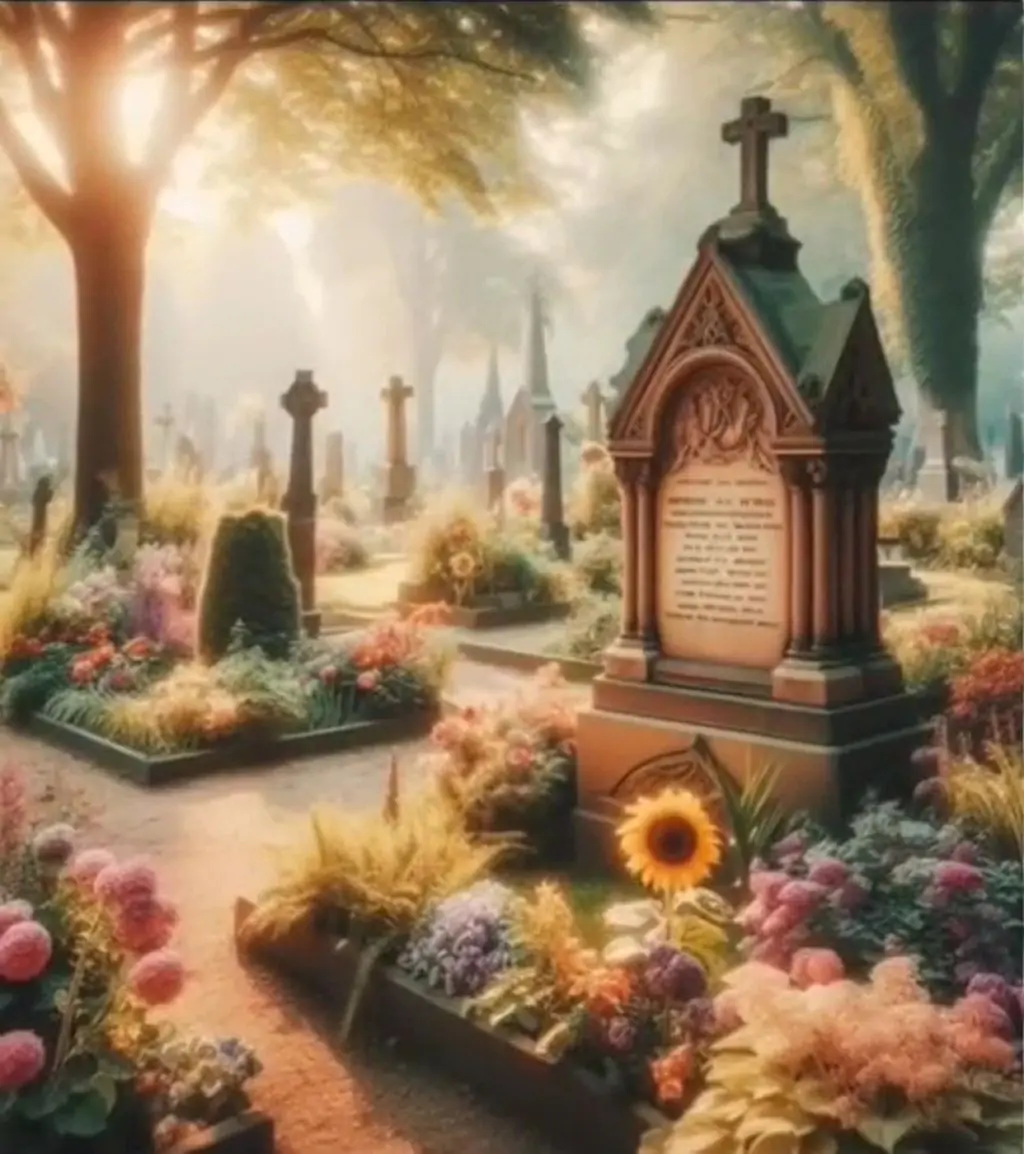
What Is a Cenotaph?
In the world, there are graves under which… there is no body.
This is neither a mistake nor a deception — these are cenotaphs, or symbolic burials.
Such monuments are built when the body is not found, is lost, or when the family wants to have a place of remembrance close to home, even if the actual burial is in another country.
The word cenotaph comes from the Greek:
kenos — empty
taphos — grave
So the term literally means “empty grave.”
It is a full-fledged memorial that serves as a place for mourning, prayer, and remembrance — even when there are no human remains within.
A cenotaph is no less important than a real grave.
It gives a person what is sometimes most needed — a point of support for memory.
Famous Cenotaphs of the World
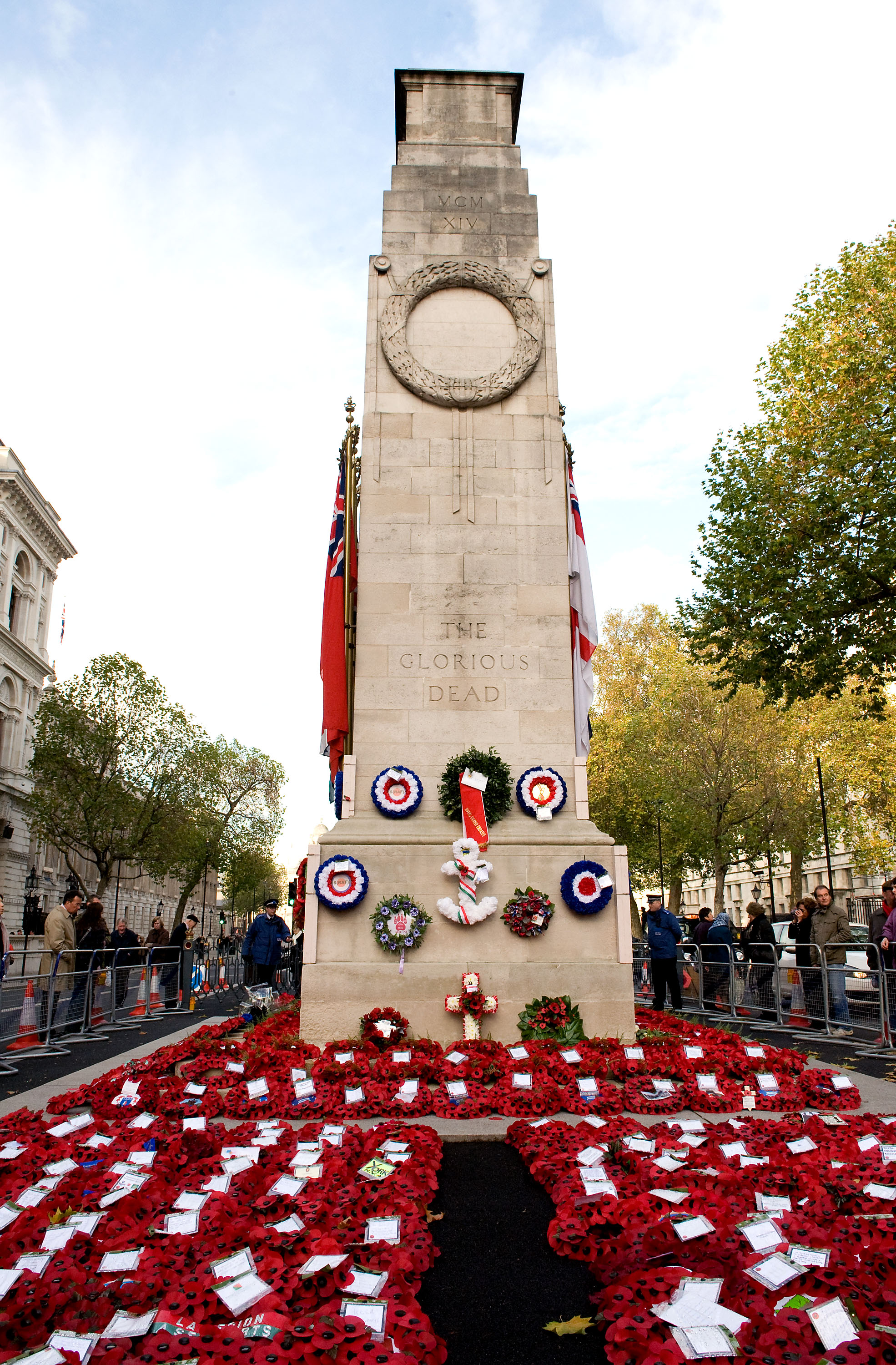
The Cenotaph — London, United Kingdom
The national symbol of remembrance in the United Kingdom. Built in 1920 by architect Edwin Lutyens after the First World War. Source: Wikimedia Commons
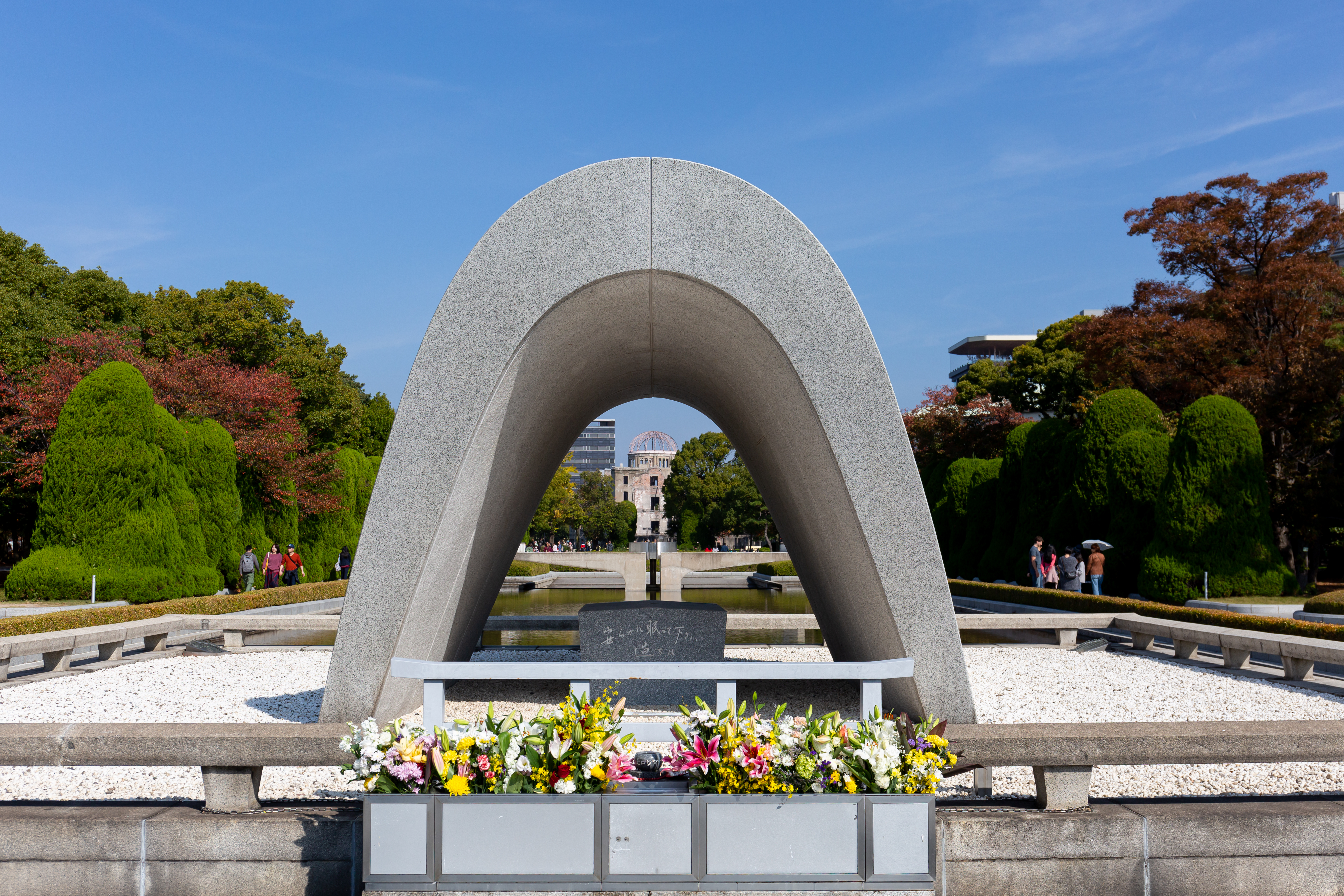
Hiroshima Cenotaph — Hiroshima, Japan
A symbolic arched cenotaph under which lies the list of all known victims of the atomic bombing on August 6, 1945. Source: Wikimedia Commons
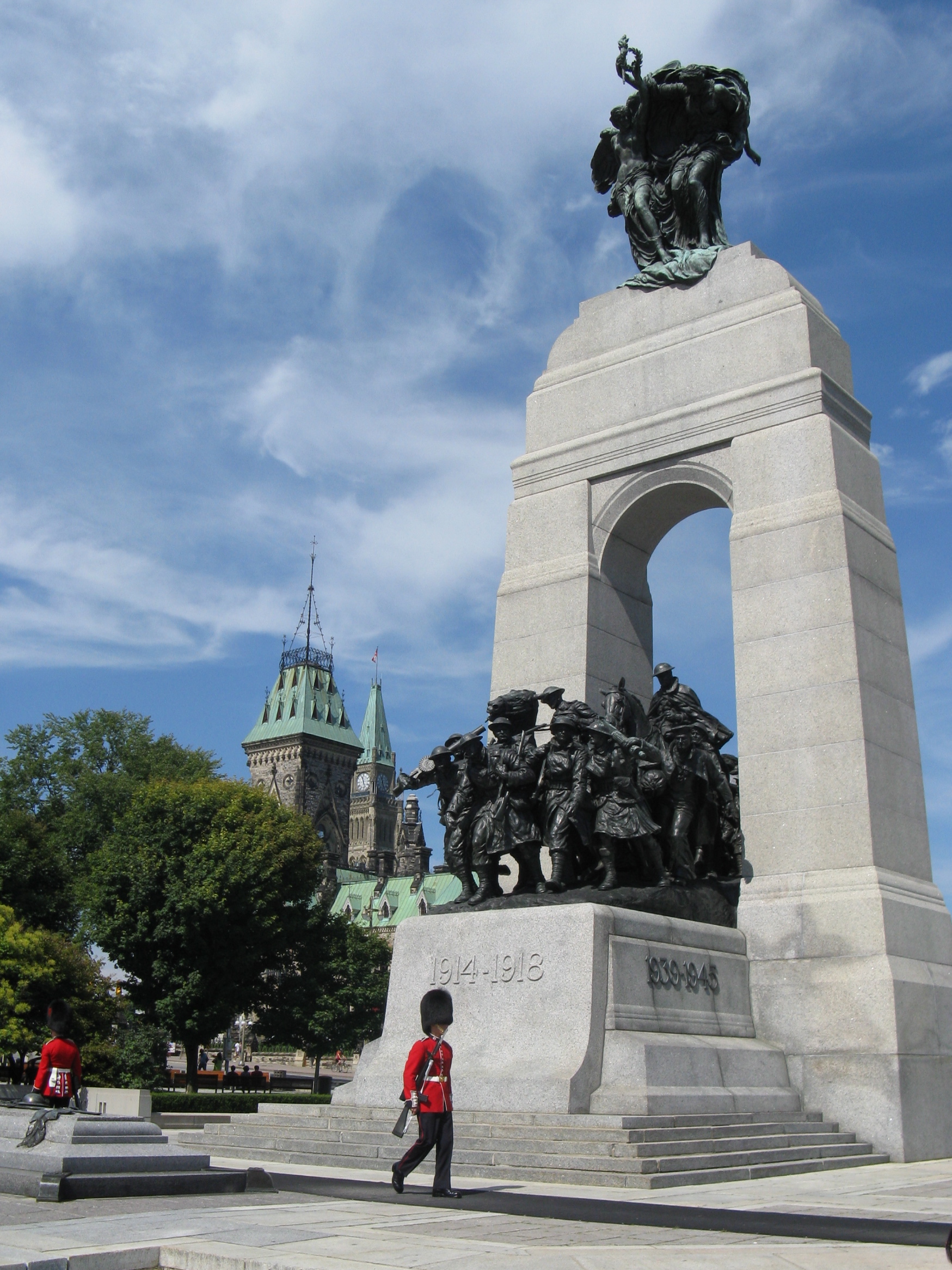
National War Memorial — Ottawa, Canada
A memorial dedicated to Canadian soldiers who died in wars. Many of them have no known graves. Source: Wikimedia Commons
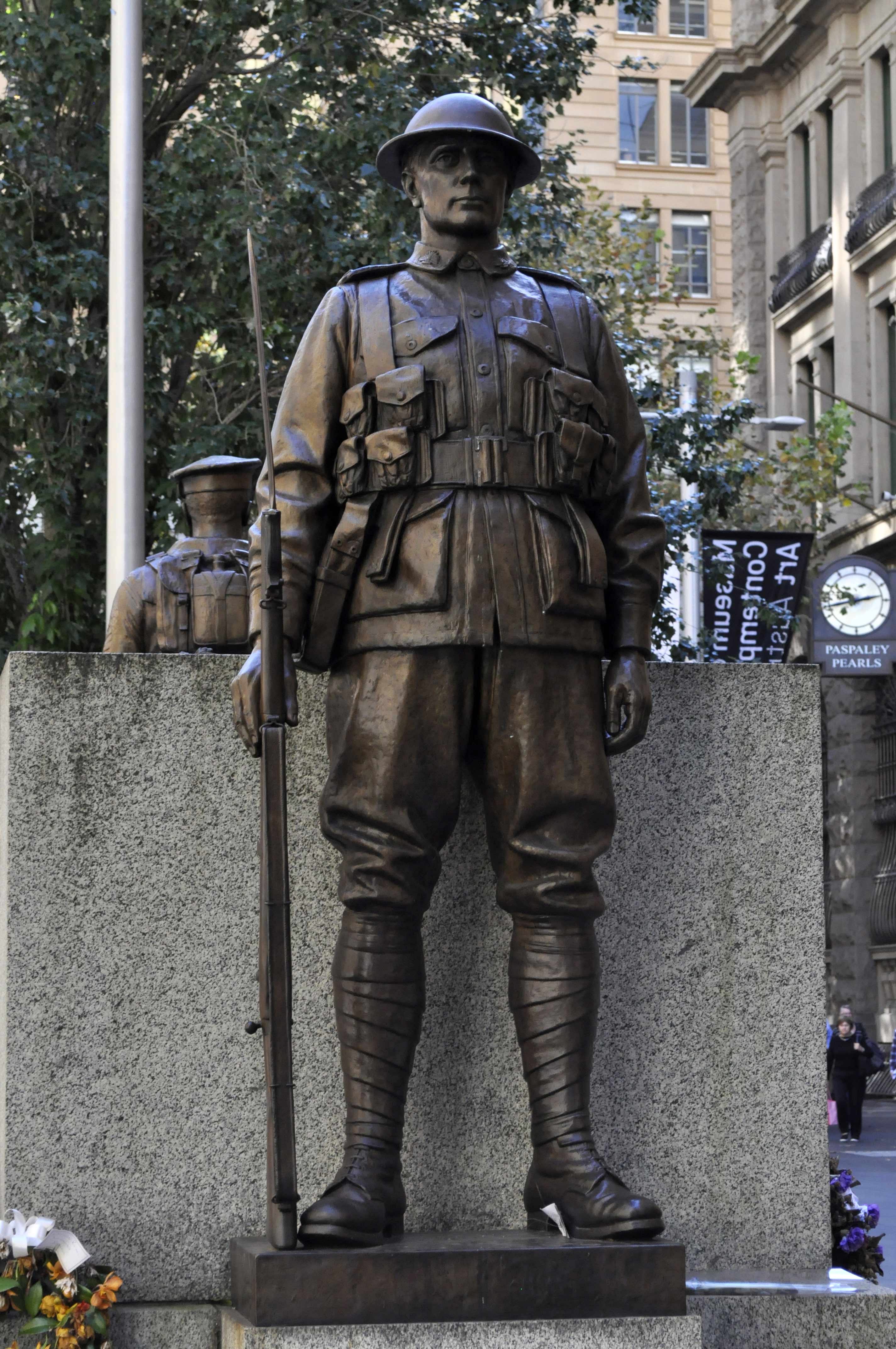
Martin Place Cenotaph — Sydney, Australia
One of the oldest military cenotaphs in Australia, dedicated to the soldiers of the First World War. Source: State Library of New South Wales
Why Do People Create Cenotaphs?
Cenotaphs appear where the heart needs a place, but the body is absent. They preserve the memory not of the fact of death, but of the life that was important to a family, a community, or a nation
RIPLister and Cenotaphs
On RIPLister, we also document such symbolic graves — to ensure that everyone has a place where they can remember and light a candle.